The Ultimate Guide to Athletic Laundry Supplies for Division III Schools
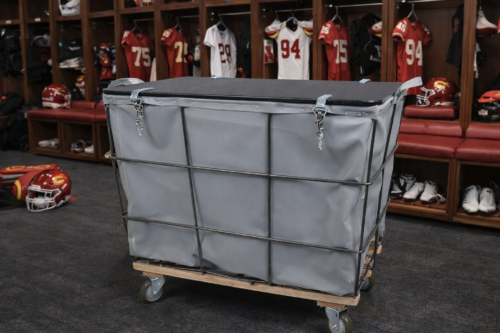
Laundry Operations in College Sports: Best Practices for Small Athletic Programs
If you’re running a college sports program, you already know that laundry is one of those behind-the-scenes operations that can quietly become a major problem if it’s not set up correctly.
At every level of competition, someone has to manage the details:
- Purchasing the right gear
- Staying within budget
- Choosing the right vendors
- Making sure athletic laundry actually gets done—and done right
It’s not glamorous, but it’s essential.
At larger Division I schools, this responsibility falls to full-time equipment managers who are professionally certified by the Athletic Equipment Managers Association (AEMA). These professionals often oversee millions of dollars in annual spending, manage vendor relationships, and coordinate the logistics of moving equipment across the country for games. Even with that level of structure and support, laundry is still a complex operation.
At smaller colleges, those same responsibilities usually fall to coaches, interns, or student managers—people who already have full plates. That’s where things tend to break down.
The Foundation: Why Equipment Makes or Breaks Your Laundry Operation
One of the most common—and costly—mistakes small programs make is trying to run athletic laundry on undersized, insufficient, or residential equipment.
On paper, it might seem cost-effective and manageable. In reality, it creates a ripple effect of problems.
When washers and dryers aren’t built for athletic loads, you end up running load after load just to keep up. Machines get overloaded, which reduces agitation and prevents proper cleaning. Stains don’t come out, so staff start compensating, often by increasing the water temperature or rerunning cycles.
We’ve seen this play out firsthand with a partnering school:
This school attempted to run its entire athletic laundry operation using small residential machines. To deal with persistent stains, they began washing whites at extremely high temperatures—around 130°F. The result? Color bleeding from mesh bags that turned white uniforms light blue!
That’s not a small fumble. That’s a catastrophic laundry issue resulting in a costly, full uniform replacement.
Most athletic fabrics set color at around 112°F. Once you exceed that, you risk breaking down dyes and damaging garments. Combine that with poor agitation and overloaded machines, and you’re fighting a losing battle before the cycle even starts.
The takeaway is simple:
If your equipment isn’t built for the job, your process will never perform the way it should.
Chemicals and Systems: Where Consistency Comes From
Even with the right machines, results will vary if your chemical system isn’t properly set up.
A strong laundry partner doesn’t just supply chemicals, they build a system around how your program operates. That usually includes automated injection systems and clearly defined wash cycles for different types of loads: towels, whites, colors, and heavily soiled gear.
This matters more than most people realize.
Without automation and standard operating procedures, laundry becomes guesswork. Too much or too little chemical can lead to poor cleaning, fabric damage, or unnecessary wear and tear. With a dialed-in system, you remove that variability and make the process much easier for whoever is running it, especially when that person isn’t a full-time equipment manager.
It’s also important to work with a supplier that understands athletic stains specifically. Grass, turf, clay, and field paint stains behave very differently than the types of soils found in hospitality or healthcare laundry. That experience shows up in the results.
Mesh Bags vs. Laundry Straps: A Small Change That Fixes a Big Problem
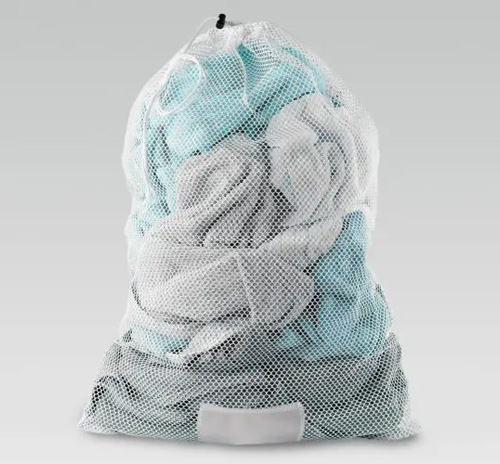
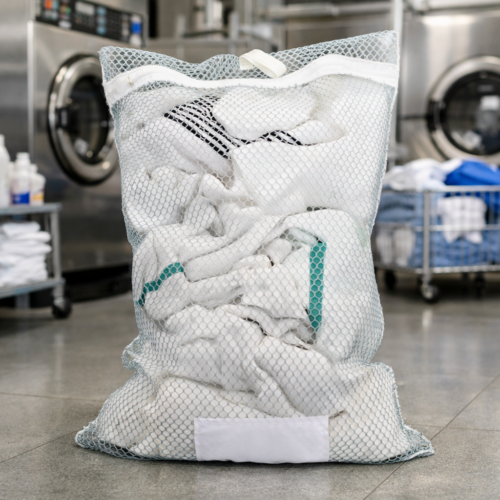
For decades, mesh laundry bags were the standard in athletic programs. They’re still widely used and can be incredibly helpful with organization and laundry management. However, more programs are moving away from them for a few reasons:
- Mesh bags, if overly-stuffed, can restrict the flow of water and chemicals–which limits how well items can actually get clean.
- They can also trap dirt and bacteria–which can significantly increase drying time because moisture gets held inside the bag.
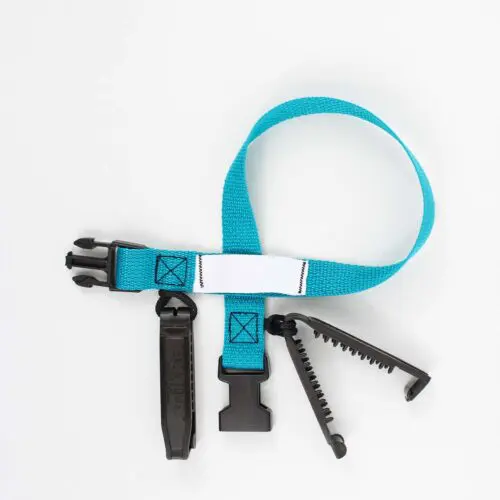
Laundry straps solve those issues:
- Laundry straps keep each athlete’s gear grouped together while still allowing full circulation during the wash cycle. That means better cleaning, more consistent results, and faster drying.
- Laundry straps add a layer of organization with ID tags and color-coding options. This lets you separate by team, player, or even by type of gear (practice vs. game, for example). That becomes especially valuable when you’re managing laundry for multiple sports with limited staff.
Laundry straps are one of those upgrades that seems small on the surface but has a noticeable impact on day-to-day operations.
Laundry Flow: The Operational Piece Most Programs Miss
Laundry isn’t just about washing—it’s a full workflow. And this is where a lot of programs unknowingly have problems.
One of the biggest issues is cross-contamination between dirty and clean laundry. It’s surprisingly common to see the same cart used to transport dirty gear and then used again to move clean laundry between machines. From a hygiene standpoint, that completely defeats the purpose of washing in the first place.
A better approach is to build a simple, repeatable laundry system that uses:
- Separate carts for dirty and clean laundry
- Clear labeling or color-coding to avoid confusion
- A defined path from collection → washing → drying → storage → distribution
This doesn’t demand a major investment. It does, however, require an intentional setup.
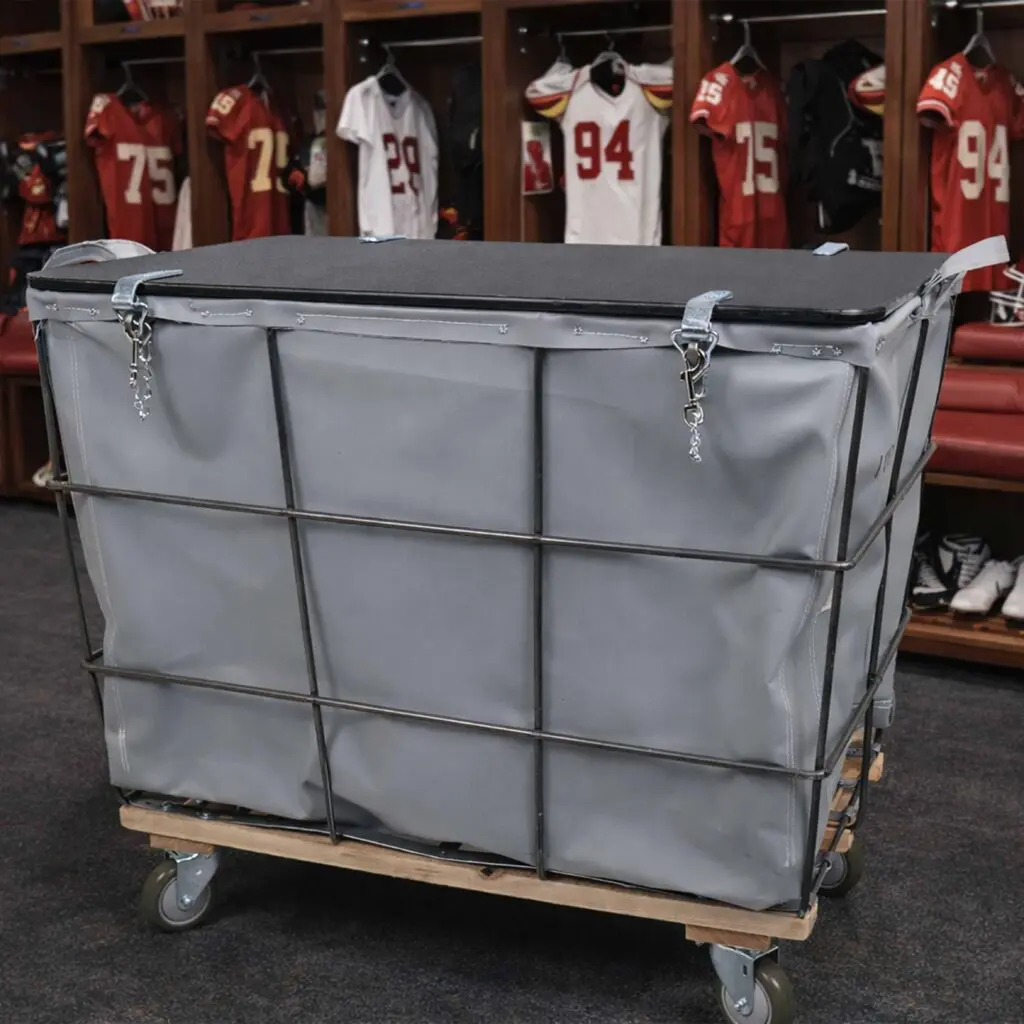
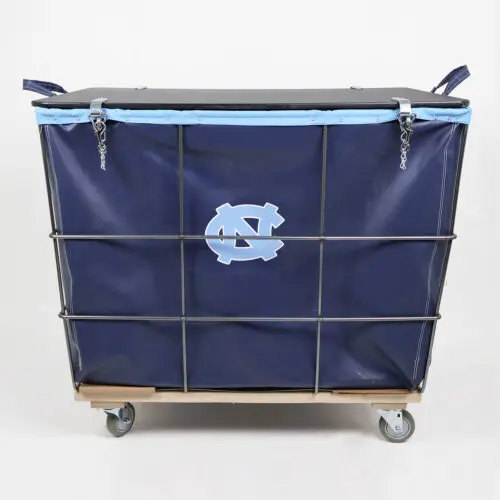
Laundry Carts: Your Best Friend for Transporting Laundry
Best practices for laundry carts:
- Use separate carts for:
- Dirty laundry
- Clean/transfer laundry
- Never mix them (this spreads bacteria)
- Label or color-code carts clearly
- Use durable carts built for heavy loads
Why this matters:
- Prevents cross-contamination
- Keeps clean gear truly clean
- Improves efficiency and organization
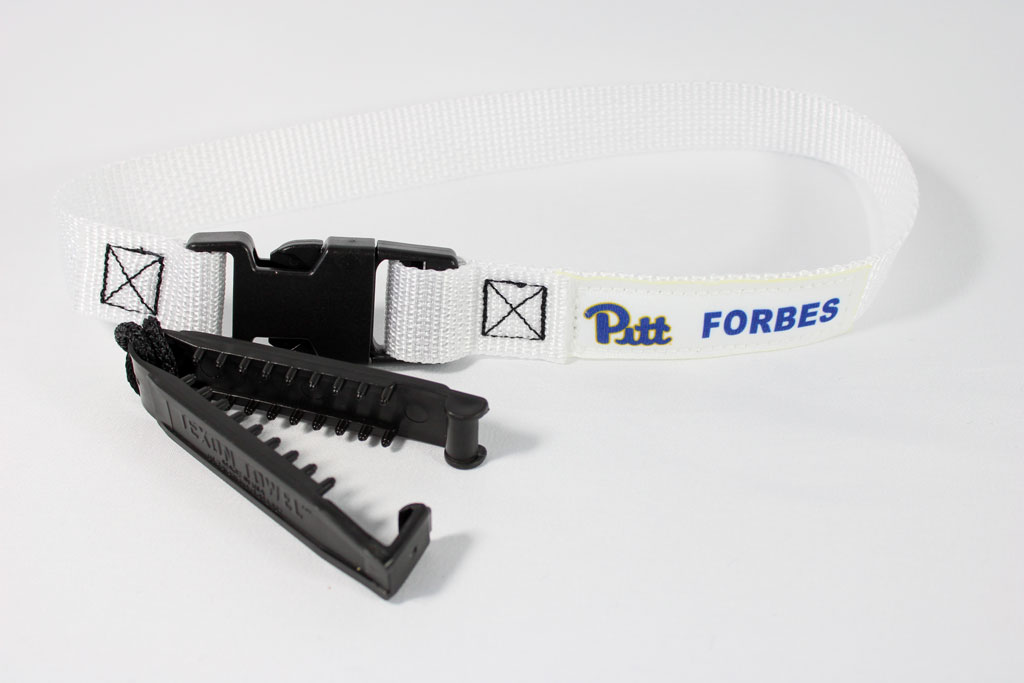
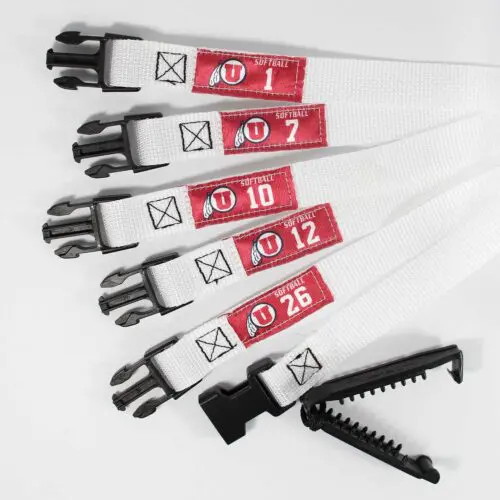
Laundry Straps: For Organization and Identification
This is one of the easiest upgrades you can make—and one of the most impactful.
Why laundry straps are now the standard:
- Allow full circulation during washing
- Improve stain removal
- Reduce drying time
- Keep each athlete’s gear organized
Key features of laundry straps:
- Loop-style design with easy-open, quick-release buckle
- Attached alligator clips for socks and small items
- ID tags and customization for school branding and player identification
- Color-coding options for:
- Sport Departments
- Teams
- Practice vs. game gear
- Position groups or locker assignments
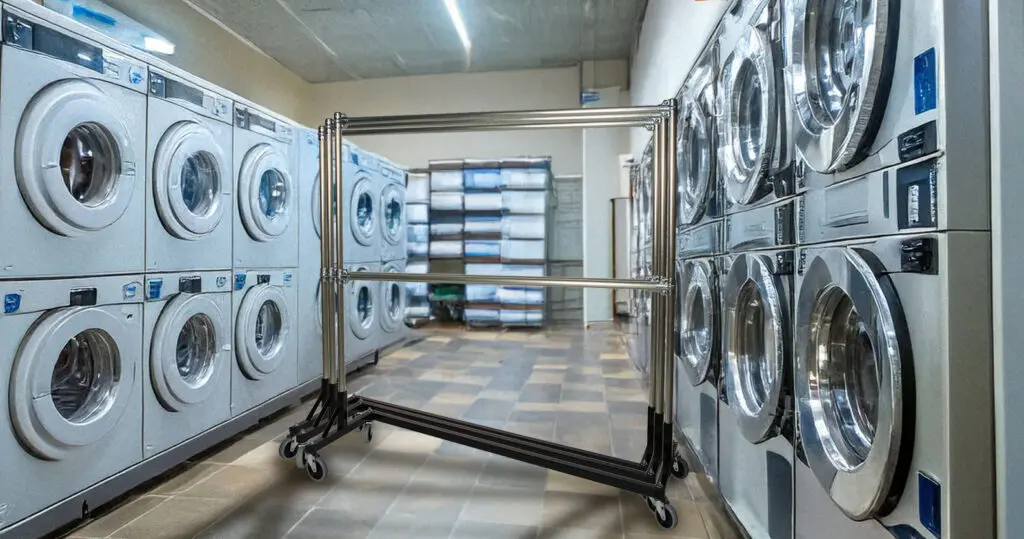
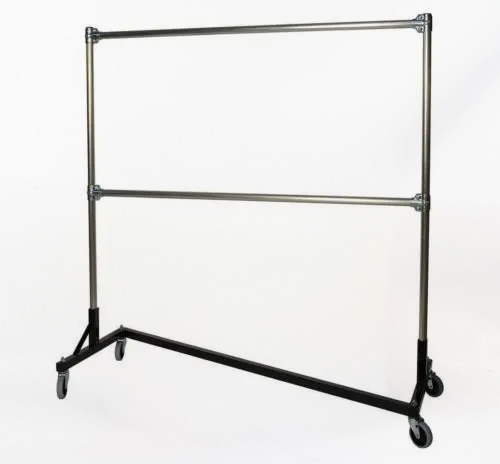
Z-Racks: A Must-Have for Efficient Laundry Workflow
Z-racks are another piece that often gets overlooked but quietly solve multiple problems.
What they’re used for:
- Hanging uniforms after washing
- Air drying delicate items
- Organizing gear by team or player
Benefits:
- Reduces wear and tear from dryers
- Keeps uniforms game-ready
- Simplifies distribution to athletes
Bringing It All Together
When athletic laundry isn’t working, it’s rarely just one issue. It’s usually a combination of small gaps:
- Equipment that’s too small
- Inconsistent chemical use
- Inefficient tools like mesh bags
- A workflow that wasn’t designed on purpose
Fixing one piece helps. Fixing the system changes everything.
And that’s really the goal—creating a setup that doesn’t rely on guesswork, doesn’t burn out your staff, and consistently produces clean, game-ready gear.
Athletic Laundry Best Practices (Quick Checklist)
If you want a quick gut-check on your setup, start here:
✔ Use commercial-grade laundry equipment
✔ Keep water temperatures within safe ranges
✔ Install automated chemical systems
✔ Switch from mesh bags to laundry straps
✔ Separate dirty and clean laundry workflows
✔ Use proper laundry carts, heavy-duty z-racks, and thoughtful storage systems
✔ Build simple, repeatable processes
FAQ: Athletic Laundry for College Sports
What temperature should athletic laundry be washed at?
Most athletic fabrics should stay below 112°F to prevent color bleeding and fabric damage.
Why are my uniforms not getting clean?
Common causes:
- Overloaded machines
- Insufficient agitation
- Poor chemical setup
- Restricted washing (often from mesh bags stuffed too tightly)
Are laundry straps better than mesh bags?
Yes. Laundry straps allow better cleaning, faster drying, and improved organization compared to mesh bags.
Do small colleges really need commercial washers?
Yes. If you’re washing team gear daily—definitely. Residential machines simply aren’t built for that volume or soil level. You will burn through more machines and it will cost more in the long run.
Want Help Optimizing Your Athletic Laundry Setup?
Texon has worked with athletic programs at every level since 1976, helping teams:
- Improve laundry efficiency
- Extend the life of their gear
- Simplify processes for staff
- Choose the right tools and systems
If you’re ready to upgrade your setup or just want a second opinion, it’s worth a conversation. Our team is eager and willing to discuss your specific needs. We can help craft a solution that works for your workflow. Give us a call to get started on improving your laundry operation and making life a whole lot easier!