
What is a Huck Towel?
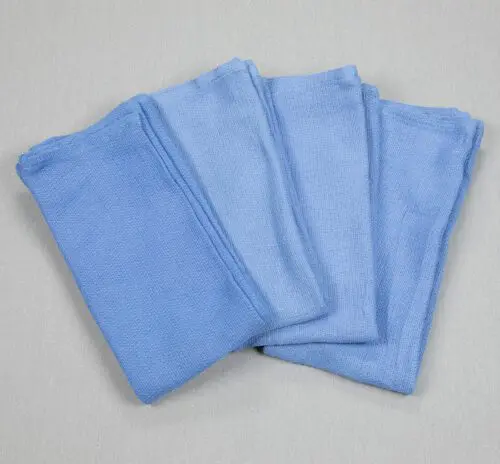
A huck towel is a low-lint, highly absorbent cotton towel made with a tight “huck weave,” designed for durability and streak-free cleaning. Originally used in surgical settings, huck towels are now widely used across industries where cleanliness, precision, and reusability matter.
Unlike traditional terry cloth towels, huck towels are thinner, smoother, and engineered to leave surfaces clean without residue.
A Complete Guide to Huck Towels for Commercial & Industrial Use
If you’re sourcing cleaning textiles for a business, you’ve probably come across the term huck towel. It’s one of those products that professionals swear by—but most people outside of healthcare, automotive, or janitorial industries don’t fully understand what makes it so effective.
Let’s break it down clearly.
What Makes a Huck Towel Different?
Material and Construction
Huck towels are typically made from:
- 100% cotton or cotton blends
- A flat, tight weave (instead of loops like terry cloth)
- Lightweight, fast-drying fabric
This construction is what gives them their signature performance advantages.
Key Characteristics
- Low lint: Ideal for glass, instruments, and sensitive surfaces
- Highly absorbent: Quickly soaks up liquids despite being thin
- Fast drying: Reduces mildew risk and turnaround time in laundry
- Durable: Withstands repeated commercial laundering
Bottom line: Huck towels are built for function, not fluff.
What Are Huck Towels Used For?
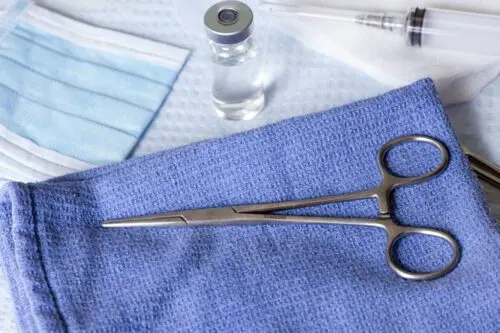
Huck towels are one of the most versatile cleaning textiles available. Their performance makes them a go-to across multiple industries.
Healthcare & Medical
- Surgical environments
- Sterilization processes
- Instrument drying
Their low-lint design is critical in sterile environments where contamination is not an option.
Industrial & Janitorial
- Equipment cleaning
- Surface wiping
- Facility maintenance
They hold up under heavy use and repeated washing—key for operations trying to control costs.
Automotive & Detailing
- Glass and mirror cleaning
- Interior detailing
- Surface prep
Detailers rely on huck towels for streak-free finishes, especially on windows.
Food Service & Hospitality
- Kitchen sanitation
- Bar cleaning
- Back-of-house operations
They’re durable enough for constant use and washing in high-volume environments.
Why Huck Towels Are So Popular in Commercial Settings
There’s a reason businesses don’t switch away from huck towels once they adopt them.
Performance Advantages
- Streak-free cleaning compared to terry cloth
- Better lint control than most alternatives
- Consistent performance across use cases
Operational Benefits
- Lower replacement costs due to durability
- Laundry efficiency (faster drying = lower energy costs)
- Standardization across teams and processes
If you’re running a facility, this isn’t just about cleaning—it’s about operational efficiency.
Huck Towels vs. Other Towels
Choosing the right towel matters. Here’s how huck towels stack up.
Huck Towels vs. Terry Cloth Towels
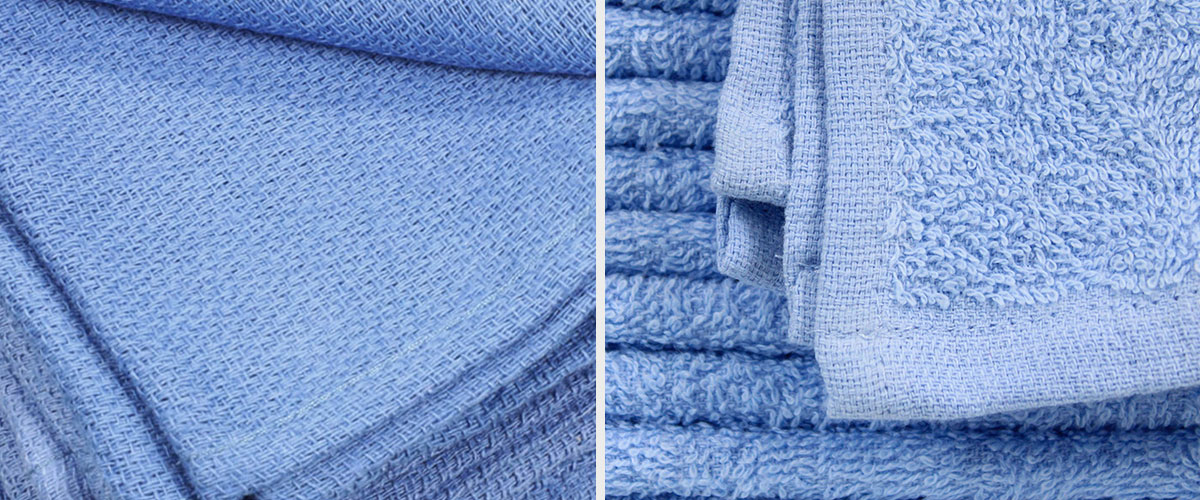
HUCK TOWELS
Low Lint
Smooth Texture
Best Use: Glass, Instruments
High Durability
TERRY CLOTH TOWELS
High Lint
Looped Texture
Best Use: General Drying
Moderate Durability
Verdict: Terry towels are fine for bulk drying—but huck towels win for precision cleaning.
Huck Towels vs. Microfiber Towels
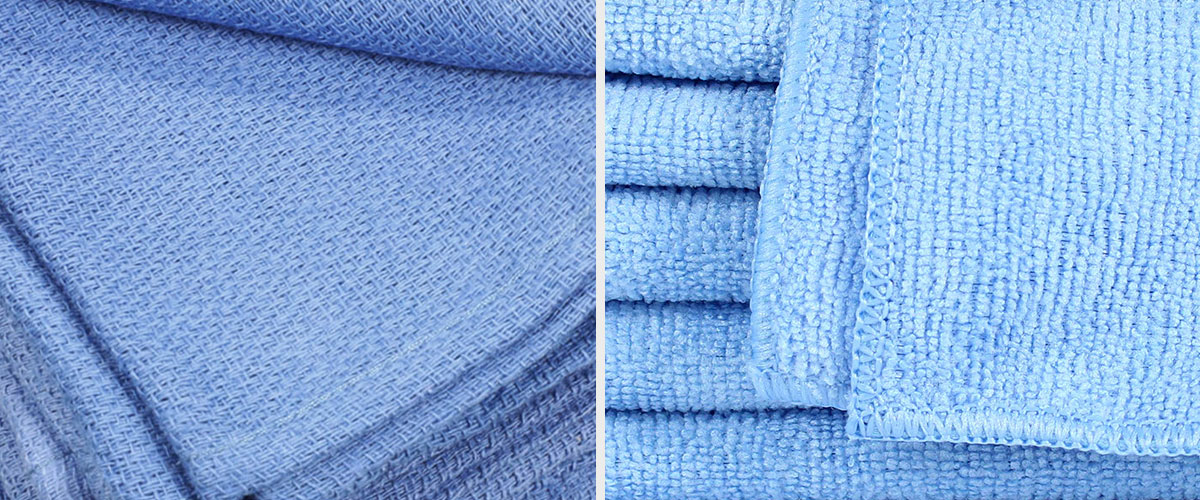
HUCK TOWELS
Natural Cotton Material
High Heat Resistance
Low Lint
Durability: Excellent in Industrial Wash
MICROFIBER
Synthetic Material
Moderate Heat Resistance
Very Low Lint
Durability: Can Degrade Over Time
Verdict: Microfiber has its place, but huck towels outperform in high-heat, heavy-duty laundering environments.
Are Huck Towels Truly Lint-Free?
Not exactly—and this is where many buyers get it wrong. Huck towels are low-lint, not completely lint-free.
However, because of their tight weave:
- They shed significantly less than terry cloth
- They perform reliably on glass and smooth surfaces
- They maintain consistency over repeated washes
In real-world applications, they’re functionally lint-free for most commercial uses.
How to Use Huck Towels Effectively
Using them correctly makes a big difference in performance.
Best Practices
- Fold into quarters to maximize usable surfaces
- Use dry for polishing, damp for cleaning
- Rotate sides to avoid cross-contamination
Common Mistakes to Avoid
- Over-saturating the towel
- Mixing with lint-heavy fabrics in the wash
- Using fabric softener (kills absorbency)
Small changes in usage can significantly extend towel life and improve results.
How to Wash and Care for Huck Towels
Proper care is what turns huck towels into a long-term asset instead of a recurring expense.
Recommended Process
- Wash in warm water
- Use standard detergent (avoid softeners)
- Separate from lint-producing items
- Dry on medium heat
Pro Tip for Facilities
If you’re running a commercial laundry operation, keeping huck towels in a dedicated wash cycle dramatically improves lifespan and performance.
What Industries Use Huck Towels?
Huck towels are a staple in:
- Hospitals and healthcare systems
- Automotive shops and detailing businesses
- Janitorial and facility services
- Manufacturing plants
- Fitness centers and gyms
If your business involves cleaning, maintenance, or sanitation—these towels likely fit somewhere in your operation.
When Should You Choose Huck Towels?
Huck towels are the right choice when:
- Lint control matters (glass, instruments, polished surfaces)
- Durability is critical (frequent washing, heavy use)
- You need cost efficiency over time
They may not be ideal for:
- Luxury guest-facing applications (where softness matters more)
- Decorative or high-end presentation uses
Choosing the Right Huck Towels for Commercial Use
This is where most buyers leave money on the table. Not all huck towels are created equal—especially in bulk purchasing.
What to Look For
- Weight & thickness: Balance absorbency with drying time
- Stitching quality: Reinforced edges prevent fraying
- Consistency: Uniform sizing and weave across batches
Bulk Buying Considerations
- Cost per use (not just cost per towel)
- Compatibility with your laundry system
- Vendor reliability and inventory availability
Smart buyers optimize for lifecycle cost—not upfront price.
Internal Recommendation: Optimize Your Towel Program
If you’re currently using mixed towel types across your facility, you’re likely dealing with:
- Inconsistent cleaning results
- Higher replacement costs
- Laundry inefficiencies
Standardizing with huck towels can simplify operations and reduce waste.
Frequently Asked Questions
What is a huck towel made of?
Typically 100% cotton with a tight huck weave designed for durability and low lint.
Are huck towels better than microfiber?
Depends on the application. Huck towels are better for high-heat laundering and industrial durability, while microfiber excels in ultra-fine dust capture.
Can huck towels be sterilized?
Yes. They are commonly used in medical environments and can withstand sterilization processes.
Do huck towels shrink?
Minimal shrinkage can occur, but high-quality towels are designed to maintain size and structure.
Are huck towels good for glass cleaning?
Yes—this is one of their best use cases due to their low-lint, streak-free performance.
Final Thoughts: Are Huck Towels Right for Your Business?
If your operation depends on clean, consistent, and efficient results, huck towels are one of the smartest textile investments you can make.
They’re not flashy—but they outperform most alternatives where it counts:
- Durability
- Cost efficiency
- Cleaning precision
Ready to Upgrade Your Cleaning Process?
If you’re sourcing towels for a commercial operation, don’t treat this like a commodity purchase—it directly impacts labor efficiency, cleaning quality, and long-term costs.
Explore Texon’s bulk huck towels to find options built for real-world performance and commercial laundering.
Or, if you’re not sure what you need:
Request a recommendation based on your facility type, usage volume, and laundry setup.
You Might Also Like …
